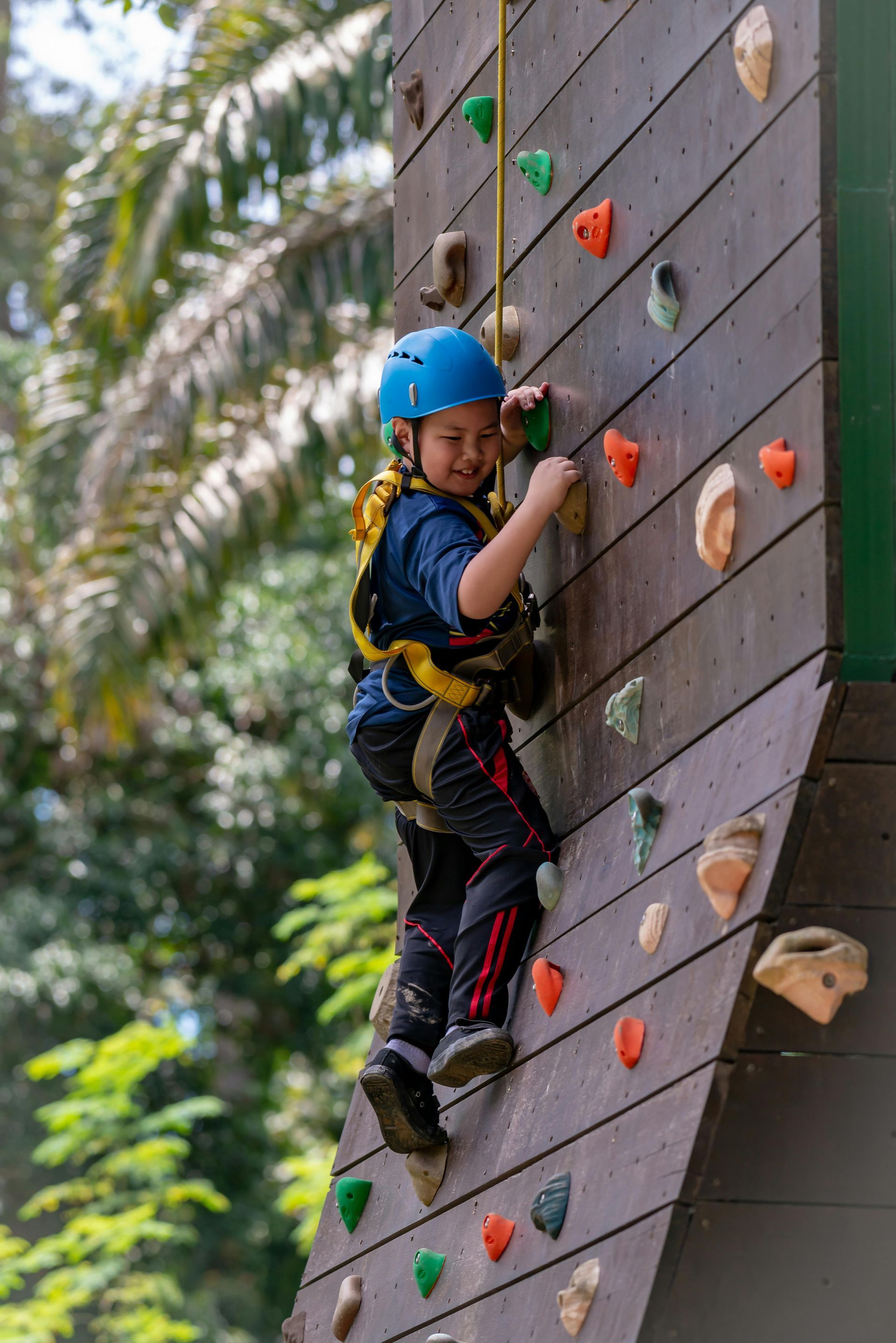
Stronger Programs, More Opportunities, and Long-Term Support for Our Youth and Community
Steve Green’s Plan to Expand Youth Recreation Opportunities in District 2
Steve's Strategies to Improve Youth Recreation
Build Strong Public/Private Partnerships
Focuses on working with nonprofits and local organizations to create lasting recreation programs that aren’t dependent on unstable government budgets.
Create Long-Term Stability for Programs
Aims to develop programs that won’t be threatened with cuts every year by building sustainable partnerships outside of traditional funding structures.
Expand Opportunities for Youth and Families
Supports increasing access to sports, activities, and community programs that give kids and families more ways to stay active and engaged.
Use Proven Local Success Models
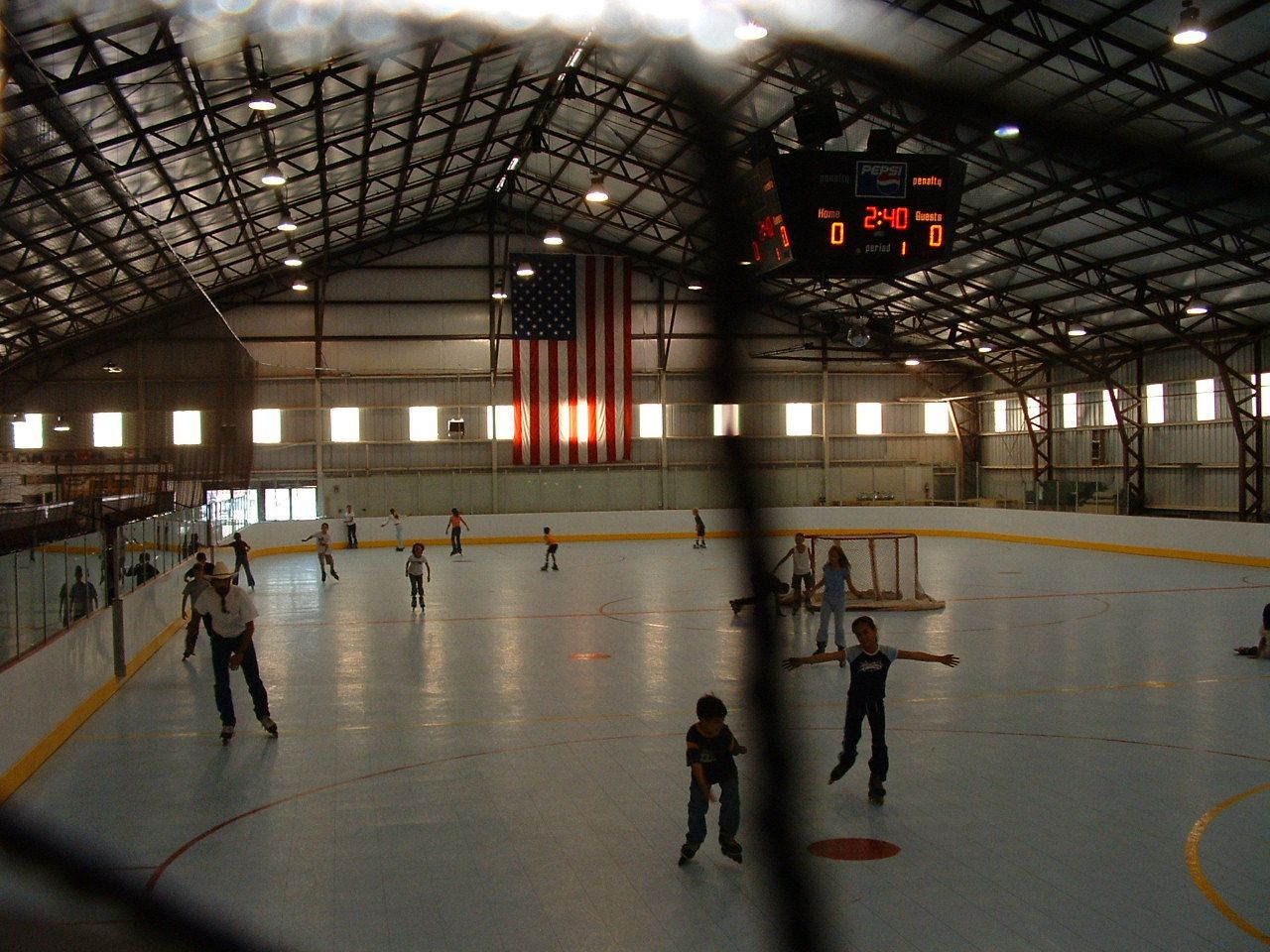
Builds on successful partnerships like the Youth Hockey program at High Country Sports Arena, which was created through collaboration with the county.
Lower Costs Through Nonprofit Partnerships
Recognizes that nonprofit organizations can often provide programs at a lower cost than government alone.
Encourage Community-Driven Programs
Supports local groups stepping up to create and run programs that reflect what the community actually wants.
Explore Multiple Program Options
Keeps the approach flexible by looking at different partnership models that can work for various types of recreational activities.
Strengthen Community Connections
Creates more opportunities for families, youth, and volunteers to come together and build a stronger local community.
Building a Community Where Kids Actually Want to Be
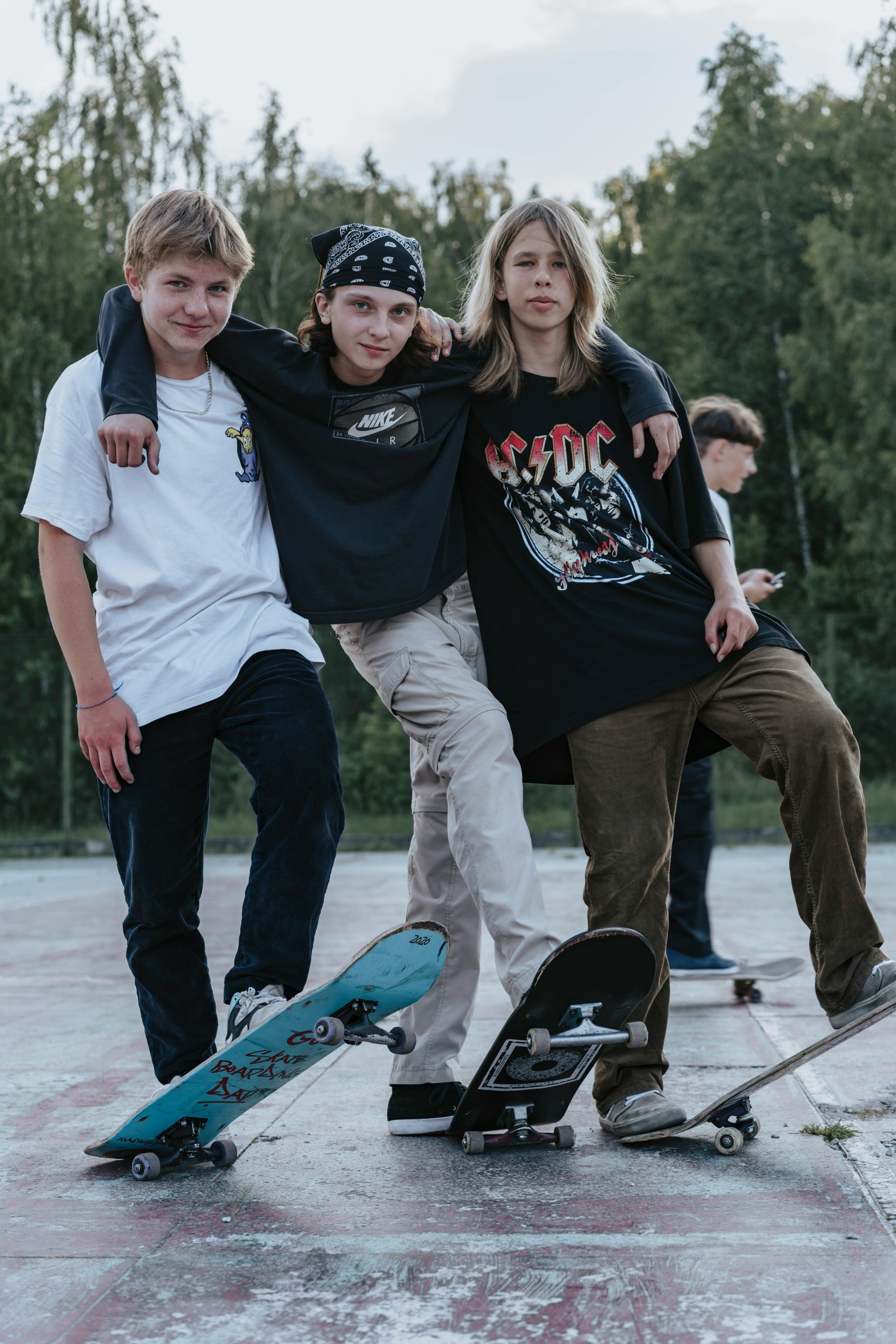
Tuolumne County already has great pieces in place — places like the High Country skating rink prove what’s possible when something is supported and given room to grow. The opportunity now is to build on that and create more spaces where kids, teens, and families can spend time close to home.
This isn’t about starting from scratch. It’s about making it easier for good ideas to actually happen.
Right now, one of the biggest challenges isn’t a lack of ideas — it’s the process. People have ideas for parks, courts, and youth activities, but getting them off the ground can be slow, confusing, and difficult to navigate.
Steve Green’s focus is on improving that process.
By creating clearer pathways, strengthening relationships between the County, schools, and the community, and helping connect local ideas with available resources like grants, partnerships, and existing spaces, more projects can move forward without unnecessary delays.
That opens the door for things like:
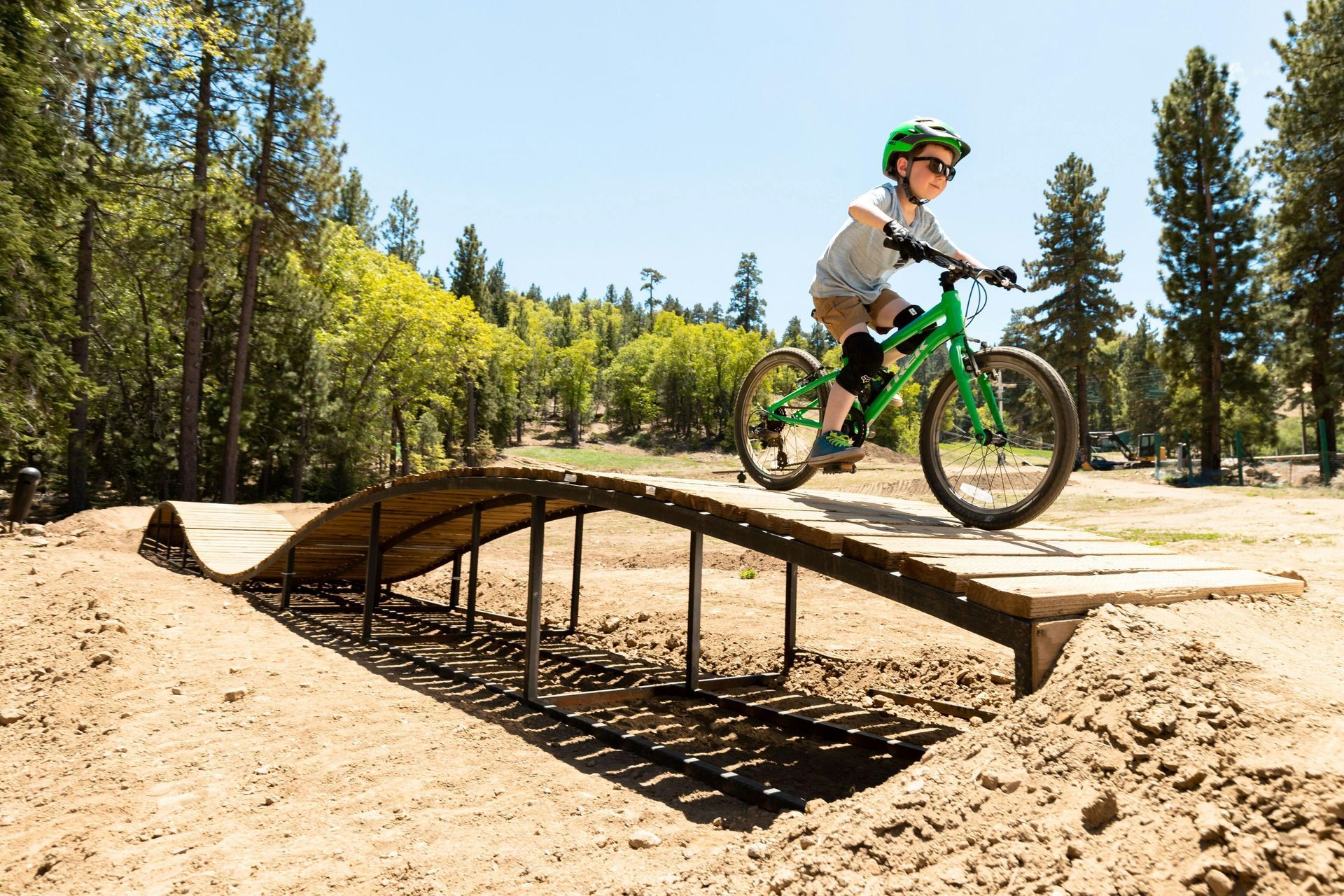
- More bike parks and pump tracks
- Lighted courts for safe evening play
- Multi-use recreation spaces for all ages
- Upgraded parks that better serve older kids and families
The goal is simple:
Make it easier for communities to turn ideas into real, usable spaces.
Because strong communities aren’t just built on infrastructure — they’re built on connection, activity, and places where people actually want to spend their time.
Local Voices on Youth Recreation
"Programs like the ones at High Country Sports Arena have made a huge difference for kids in this community. Having more opportunities like that would mean a lot for families around here."
Local Resident, Kevin, Sonora.
Key Campaign Issues
Steve is focused on expanding youth and community recreation by building strong partnerships with local nonprofits to create more opportunities at lower cost and with long-term stability.
Join Steve’s Effort to Expand Youth Recreation Opportunities
Providing more opportunities for our youth isn’t just about activities—it’s about building a stronger future for our community. Supporting this approach helps create lasting programs that families can depend on.
Steve encourages everyone to stay involved, support local programs, and be part of building more opportunities for the next generation.
Steve’s Youth Recreation Plan FAQs
Find clear answers about Steve Green’s plan to expand opportunities for youth and families.
How will Steve improve youth recreation opportunities?

By building partnerships between the county and nonprofit organizations to create sustainable, long-term programs.
Why focus on public/private partnerships?

Because nonprofits can often provide programs at a lower cost and with more flexibility than government alone.
How does this benefit the community long-term?

It creates stable, affordable programs that give youth more opportunities while strengthening the overall community.